PM Modi Chairs Urgent High-Level Meeting on Fuel and Power Amid Rising Middle East Tensions
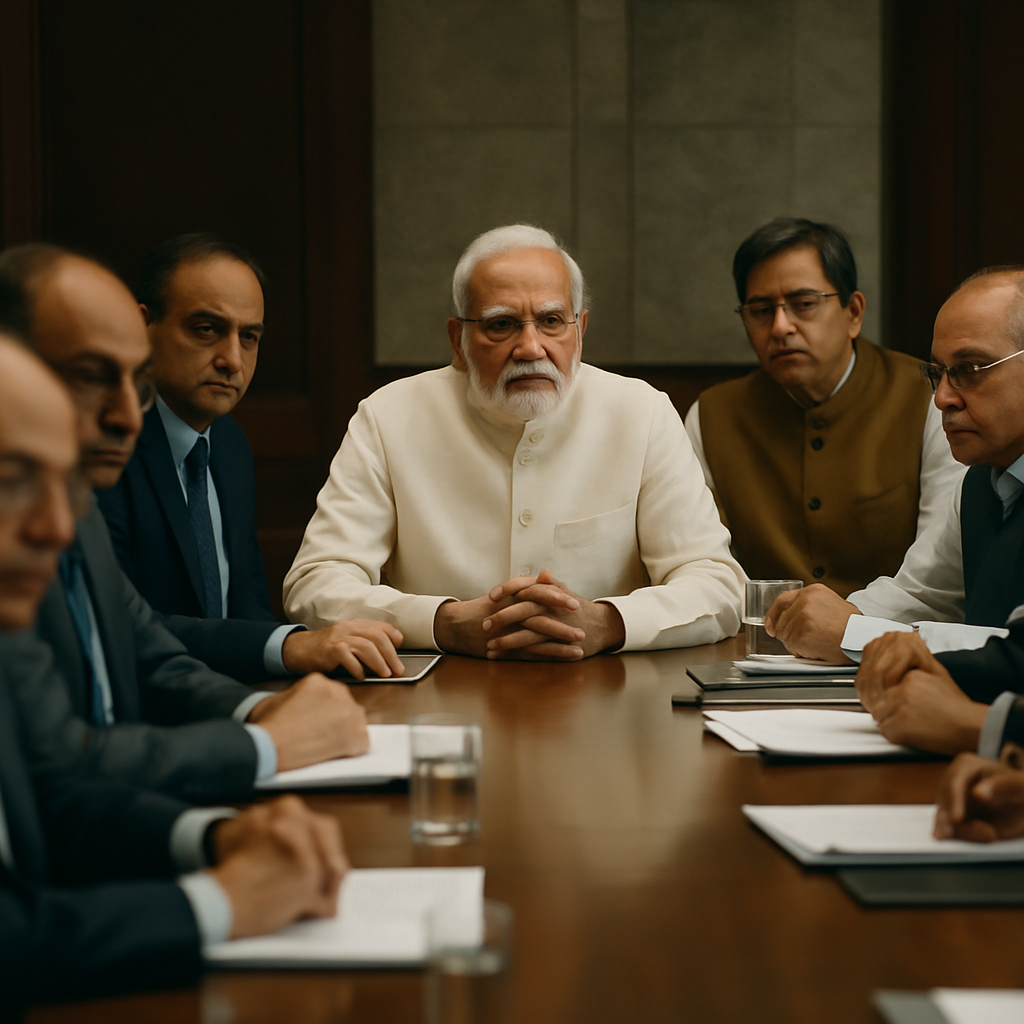
In a time marked by increasing uncertainty and global upheaval, Indian Prime Minister Narendra Modi took decisive action to safeguard the nation’s vital resources. As tensions in the Middle East escalate, threatening to disrupt fuel and power supplies critical to India’s economy and everyday life, PM Modi convened a high-level review meeting on March 22, 2026. The urgency in the atmosphere was palpable—citizens across the country anxiously watching for reassurance and answers.
The stakes could not be higher. Fuel prices, power availability, and food security all hang in a delicate balance influenced by geopolitical shifts thousands of miles away. In this hour of potential crisis, India’s leadership moved swiftly to navigate the complexities and shield its people from the fallout.
Understanding the Context: Why This Meeting Matters
The Middle East has long been a critical supplier of energy resources to India, with a significant portion of crude oil imports flowing from this volatile region. Recent escalations, particularly involving Iran and neighboring countries, have raised alarms globally and in New Delhi. Conflict in this region could:
- Disrupt oil shipments, causing price spikes at the pump
- Create shortages in essential fuels for power generation
- Impact the supply chain of critical food and agricultural inputs
- Trigger economic uncertainty and inflation affecting everyday citizens
Recognizing these potential dangers, PM Modi convened the Cabinet Committee on Security alongside top ministers and officials to assess risks and implement strategic responses.
Key Highlights of the High-Level Review Meeting
The meeting was comprehensive, addressing multiple facets of energy and food security. Among the critical points discussed were:
- Assessment of Fuel Supply Risks: Detailed analysis of oil import routes and vulnerabilities was presented, with a focus on Iran and Gulf countries.
- Power Sector Resilience: Strategies to ensure uninterrupted electricity generation amid possible fuel shortages were debated.
- Alternative Import Sources: The government explored new partnerships and suppliers to diversify India’s crude oil and fuel imports beyond the Middle East.
- Food Security Precautions: Given the interconnected nature of global food supply chains, potential disruptions were also reviewed with plans to safeguard essential commodities.
- Export Market Adjustments: Discussions included shifting export focus to maintain economic stability while domestic needs are prioritized.
- Public Protection Measures: Most crucially, PM Modi emphasized the need to protect citizens from price shocks and supply disruptions, stating that “citizens must be safeguarded from the Iran war effect.”
The Emotional Pulse: A Leader’s Resolve in Turbulent Times
Behind the strategic jargon and policy frameworks lies a story of urgency and empathy. PM Modi’s leadership during the meeting reflected a deep understanding of the anxiety felt by millions of Indians. Fuel prices affect not just industries but the daily commute of a working mother, the cost of cooking gas in a small household, or the electricity powering a child’s study lamp.
India’s Prime Minister did not merely focus on numbers and logistics; he addressed the nation’s heart, assuring that no citizen will bear an undue burden from distant conflicts. This commitment resonates strongly amid fears that global conflicts often translate into inflation and hardship for ordinary people.
What This Means for Indian Citizens and the Economy
The immediate impact of this meeting will be a steady flow of government measures aimed at cushioning the blow. Citizens can expect:
- Government monitoring of fuel prices with interventions if needed to prevent sudden spikes
- Initiatives encouraging alternative energy and increased domestic production where feasible
- Enhanced buffer stocks for food grains and essential commodities to avoid shortages
- Communication campaigns to keep the public informed and prepared
- Strengthening diplomatic efforts to ensure stable import agreements
For the economy, these measures aim to stabilize markets and reassure investors that India is proactively managing risks, maintaining growth momentum despite external shocks.
Looking Ahead: The Road to Stability and Resilience
While the current geopolitical climate remains uncertain, India’s proactive stance under PM Modi’s leadership offers a beacon of stability. The review meeting marks the beginning of a series of strategic actions focused on resilience—diversifying supply chains, boosting renewable energy, and building stronger international partnerships.
This period will test India’s resolve and adaptability, but it also presents an opportunity to innovate and strengthen national infrastructure against future shocks. The government’s message is clear: preparedness is key, and no stone will be left unturned to protect India’s interests and its people.
Conclusion: Leadership in Action When It Matters Most
In the face of mounting tensions in the Middle East that threaten to ripple across the world, PM Narendra Modi’s decisive convening of a high-level review meeting underscores the critical importance of foresight and leadership. Safeguarding fuel, power, and food security isn’t merely about logistics—it’s about shielding millions of Indian families from uncertainty and hardship.
This meeting reflects India’s readiness to face challenges head-on, with compassion for its citizens and strategic rigor. As the situation evolves, the nation watches with hope and confidence that its leaders are steering it toward a secure and stable future.
Stay tuned for further updates as India navigates this complex global landscape with resilience and resolve.