Iran-Israel Conflict Escalates: Strait of Hormuz Threatened Amid Rising Tensions
The world stands on edge as Iran and Israel exchange chilling warnings, threatening to plunge the already volatile Middle East into deeper chaos. The latest developments reveal a dangerous escalation that could disrupt global oil supplies and trigger widespread instability. For millions, the Strait of Hormuz is more than just a narrow maritime passage—it is the lifeline of energy to the world. Now, with Iran threatening to completely close it if the U.S. targets its power plants, the stakes could not be higher.
A Region on the Brink: The Stark Warnings from Iran
Iran’s recent declarations are nothing short of apocalyptic. The Iranian military has vowed to “irreversibly destroy” critical Middle East infrastructure in retaliation to any attack, specifically if American forces target its energy and desalination facilities. These facilities are crucial for the region’s power and water supply, meaning an assault could trigger humanitarian crises alongside military conflict.
- Complete closure of Strait of Hormuz: This strategic chokepoint sees approximately 20% of the world’s oil pass through daily. Shutting it down could cause global energy prices to skyrocket.
- Targeting of energy sites: Iran’s warning focuses on power plants, oil installations, and desalination plants, highlighting the potential for widespread infrastructural damage.
- Escalating rhetoric: Both Iran and Israel, backed by U.S. postures, exchange threats to “destroy” critical infrastructure, increasing the risk of miscalculation.
These threats are not idle words but reflect the tense reality on the ground. Iran’s strategic calculus is clear: any assault on its core energy capabilities will provoke a fierce and far-reaching response.
The Global Ripple Effect: Why the Strait of Hormuz Matters
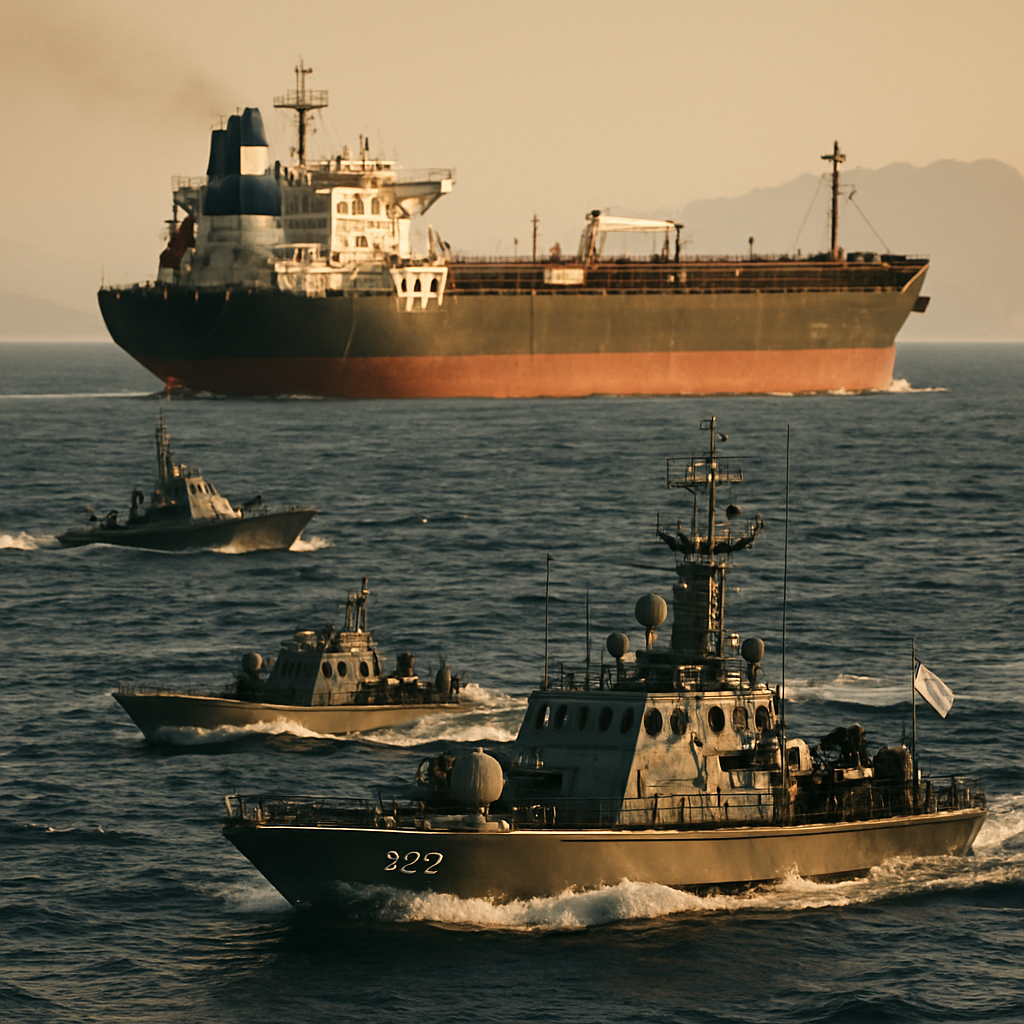
It’s easy to overlook the significance of the Strait of Hormuz, a narrow waterway between Oman and Iran. But this channel is vital, as nearly a fifth of the world’s petroleum passes through it daily. Any disruption here can send shockwaves through global markets and economies.
- Energy Supply Disruptions: Blocking the strait could reduce oil exports drastically, causing fuel shortages worldwide.
- Global Economic Impact: Higher oil prices would inevitably feed into inflation, impacting everything from transportation to manufacturing.
- Heightened Military Presence: International naval forces may increase patrols, risking direct confrontations.
The threat to close this critical artery is a game-changer. It is not just a regional issue; it is a global alarm bell that demands immediate diplomatic attention.
Trump’s 48-Hour Ultimatum: A Test of Resolve or a Political Gamble?
Adding fuel to the fire is former President Donald Trump’s recent 48-hour ultimatum directed at Iran, demanding a halt to certain activities or face severe consequences. Critics argue this aggressive stance risks further destabilizing the region without clear strategy. Supporters see it as a necessary show of strength.
Historically, confrontations with Iran have been fraught with missed opportunities and missteps. Will this ultimatum mark a turning point or another moment of diplomatic failure? The clock is ticking, and the world watches anxiously.
What Could Happen Next? Possible Scenarios to Watch
As tensions soar, several scenarios could unfold in the coming days and weeks:
- Diplomatic De-escalation: Behind-the-scenes negotiations may prevent conflict, though trust remains fragile.
- Military Skirmishes: Limited strikes or retaliations could spiral into broader confrontations.
- Economic Fallout: Markets may react sharply, prompting emergency measures by governments worldwide.
- Humanitarian Concerns: Damage to desalination plants could worsen water shortages in an already arid region.
Each path carries profound consequences, underscoring the urgency for measured responses and dialogue.
Conclusion: Navigating an Uncertain Road Ahead
The Iran-Israel standoff is a stark reminder of how fragile peace in the Middle East remains. With Iran threatening to close the Strait of Hormuz and retaliate against critical infrastructure, the potential for widespread disruption is real and alarming. The international community must prioritize diplomacy and conflict prevention now more than ever.
For the millions depending on steady energy supplies and regional stability, the coming days will reveal whether cooler heads prevail or if the world edges closer to a crisis that could reshape global politics and economies. As this volatile story unfolds live, the message is clear: the cost of miscalculation could be catastrophic.
Stay tuned for real-time updates as the situation develops, and join the conversation about what this means for global security and peace.